Window Film vs Blinds: Which Is Better for Your Home or Office?
Comparing window film vs blinds for heat, glare or privacy? Both improve your windows, but they work in very different ways.
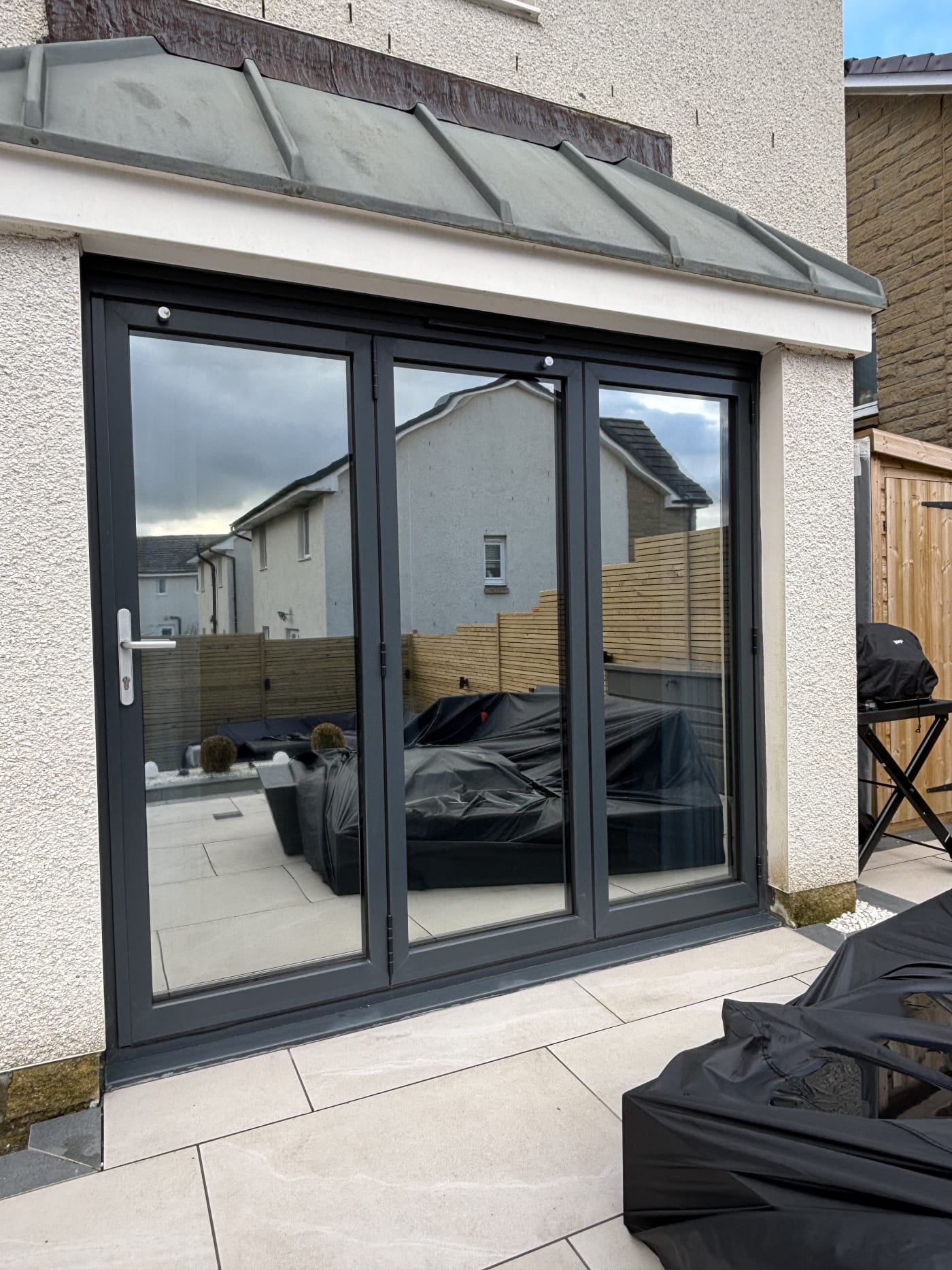
Window Film vs Blinds.
This guide compares window film and blinds on performance, cost, appearance and maintenance so homeowners and businesses across Scotland can choose the right solution. Blinds are the default reach for glare or privacy, but they block the light and view you paid for and do little about heat. Window film works at the glass — cutting heat, glare and UV while keeping the room bright — and is invisible once fitted.
How they compare.
How do window film and blinds work?
Window film is professionally applied directly to the glass. Depending on the film, it can reduce solar heat, control glare, block up to 99% of UV and add daytime privacy — and once installed it works continuously without being opened, closed or adjusted.
Blinds are fitted inside the room and provide adjustable light control and privacy. Their main advantage is flexibility, but they generally need to be closed before they provide their full benefit, reducing natural light and the view. The right choice depends on whether your priority is permanent solar protection or adjustable room-darkening.
Which is better for reducing heat?
For south-facing rooms, conservatories, glazed extensions and offices, solar control window film is usually more effective. Solar energy passes through the glass before it reaches an internal blind, so much of the sun's energy has already entered the room — the blind can then absorb it and release some back into the space.
Solar control film works at the glass and can reject up to 79% of solar heat, depending on the film and glazing. That makes it particularly suitable for conservatories, south- and west-facing rooms, offices with large glazing, rooflights and skylights, patio and bi-fold doors, and shopfronts.
Glare reduction without closing the room off
Blinds can reduce glare, but normally have to be partly or fully closed — darkening the room, restricting the view and increasing reliance on artificial light.
Anti-glare window film reduces harsh sunlight while allowing useful daylight to remain, which is especially helpful in home offices, classrooms and living rooms where sunlight makes screens hard to see. We can recommend a film that balances glare control with the daylight and outward view you want to keep.
Privacy: window film vs blinds
Both provide privacy, but not in the same way. Blinds provide adjustable privacy and can fully cover a window day or night, but closing them blocks the view and reduces light.
Reflective privacy film gives strong daytime privacy while keeping an outward view; frosted film provides privacy in both directions with soft diffused light, suiting bathrooms, doors and overlooked lower windows. Reflective one-way film depends on it being brighter outside than inside — at night, with internal lights on, a blind or curtain may still be needed.
UV protection and interior fading
Sunlight contributes to fading of flooring, furniture, curtains, artwork and merchandise. Blinds only protect when closed; window film stays in place and works throughout daylight hours.
Many professional films block up to 99% of UV radiation. UV is not the only cause of fading, so film helps significantly reduce fading rather than preventing it completely — valuable for homes, offices, retail and properties with furnishings near windows.
Which option costs less?
Cost depends on the size and number of windows, the film specification, the type of blind and whether motorised operation is required. Standard blinds may be cheaper for a single small window, but bespoke, motorised, rooflight or conservatory blinds can be considerably more expensive.
Professionally installed film is often cost-effective for large or difficult glazing because it needs no tracks, motors or mechanisms, and it has lower ongoing maintenance — no cords, fabric or moving parts, with warranties up to ten years on qualifying products. Film is not always cheaper, but an honest comparison usually favours it for comfort per pound.
Which is best for each room?
Conservatories and glazed extensions: solar control film is normally stronger where overheating, glare and fading are the problems. Bedrooms and nurseries: blackout blinds or curtains remain better for complete darkness — film can still be added for daytime heat and UV. Living rooms: film reduces glare and protects furnishings while keeping the room bright. Home and commercial offices: anti-glare or solar film improves screen visibility without keeping blinds closed all day. Bathrooms and entrance doors: frosted film provides permanent privacy with diffused light. Rooflights and awkward glazing: film is ideal where blinds are expensive or difficult to operate.
Can window film and blinds be used together?
Yes — in many properties, combining the two produces the most complete solution. Film stays on the glass for daytime heat reduction, glare control and UV protection, and a blind or curtain is closed only when blackout or night-time privacy is needed. That means you don't have to keep blinds closed through sunny days simply to make a room comfortable.
Recent installations
in Scotland.
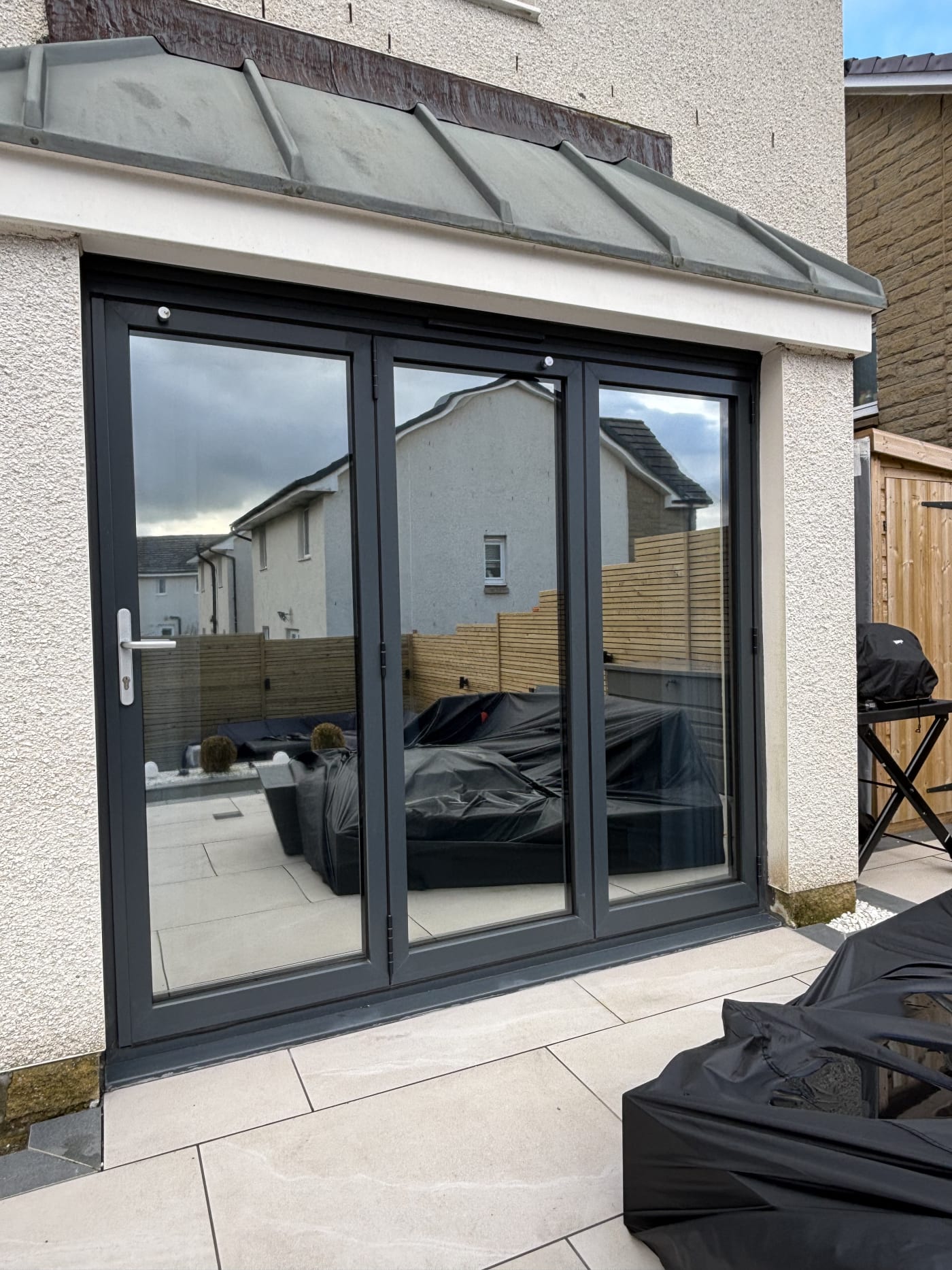
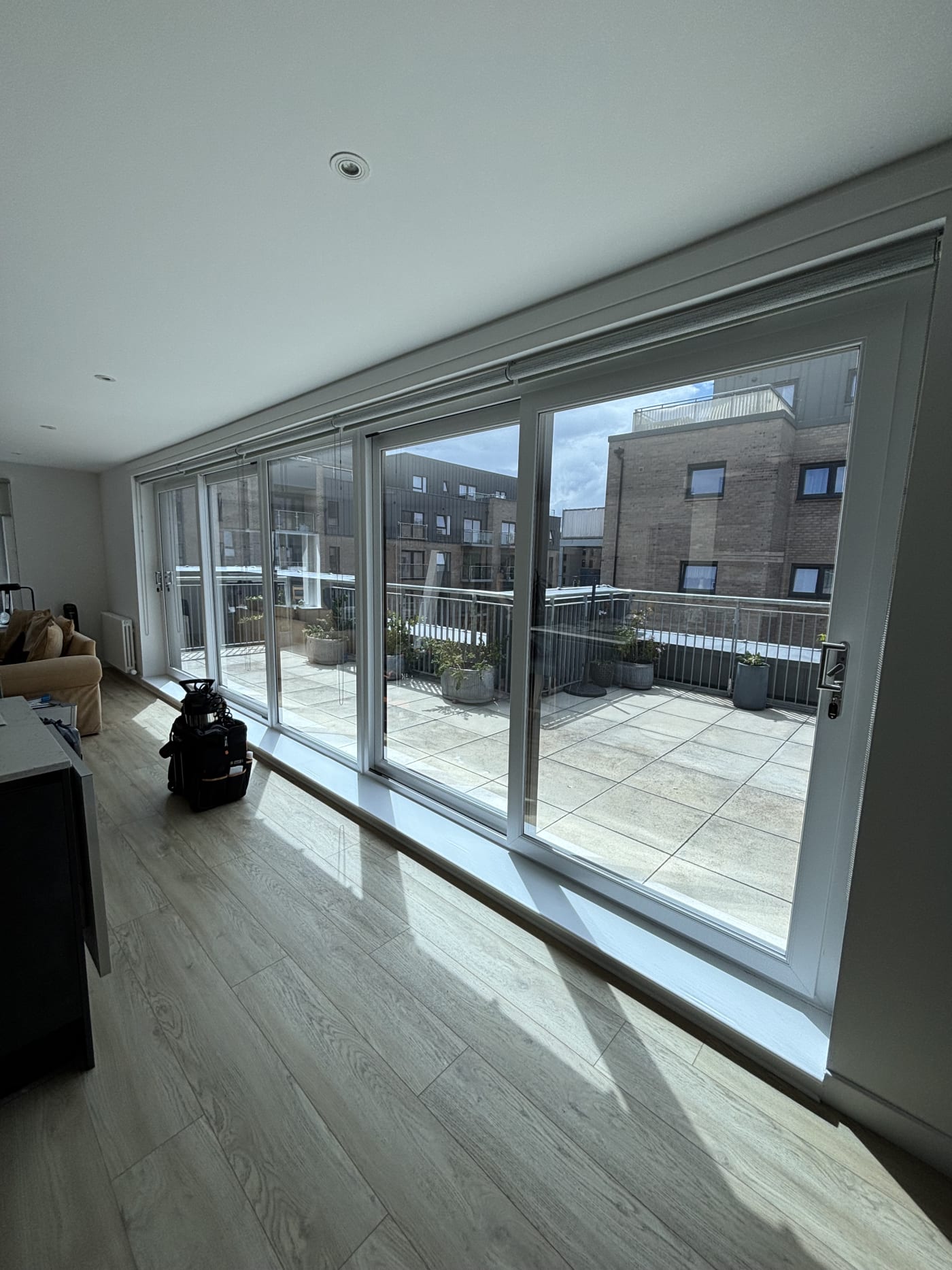
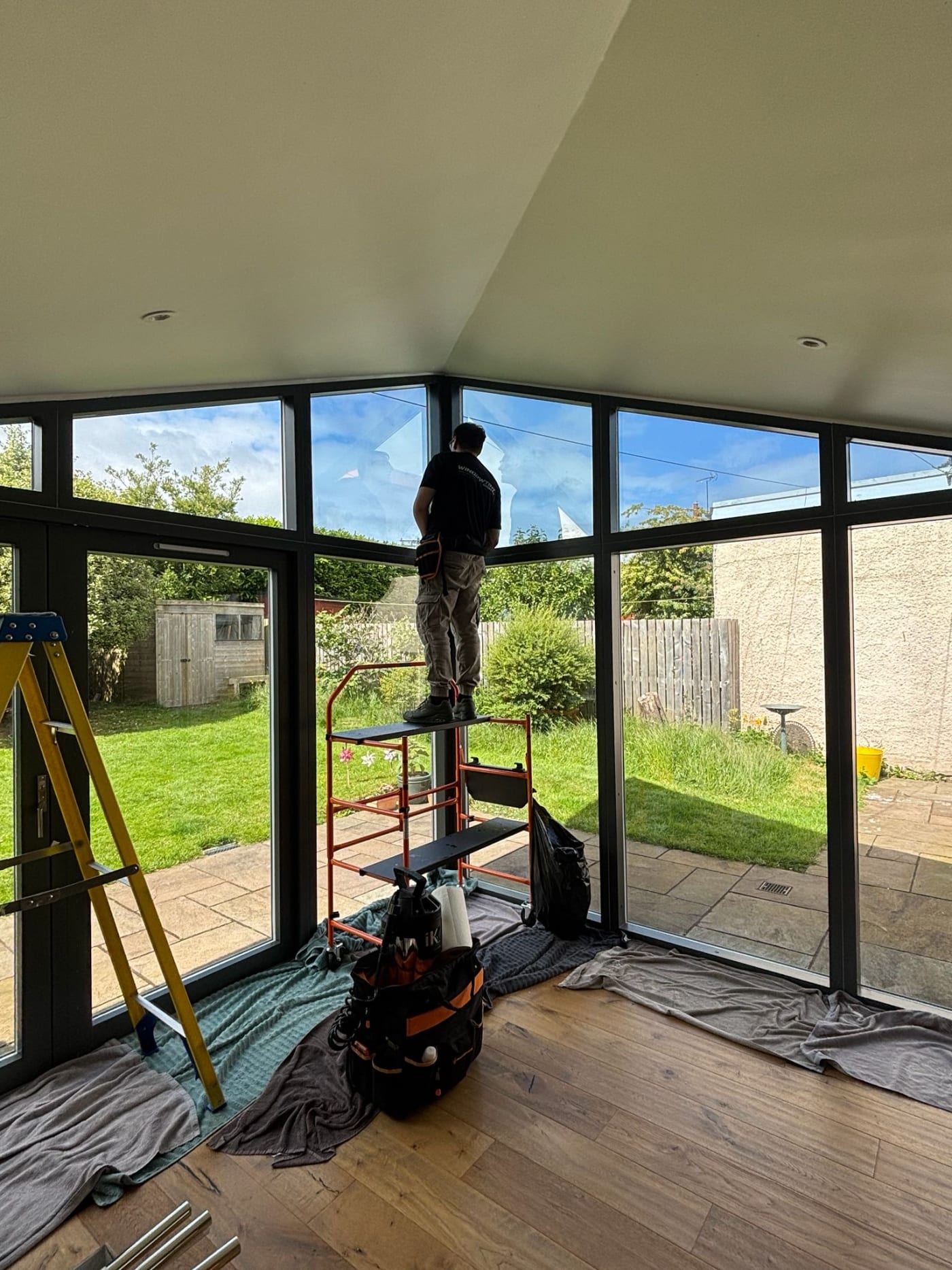
For heat, glare, UV and daytime privacy without losing light, window film is the clear winner — and it's invisible and low-maintenance. Blinds still win for total blackout and night-time privacy in bedrooms and media rooms. For many Scottish homes and businesses the best solution is film for continuous solar protection, with blinds or curtains only where complete darkness is needed.
Common questions.
Is window film better than blinds for reducing heat?
Solar control window film is generally more effective when overheating is caused by direct sunlight, because it works at the glass. Internal blinds reduce direct light but may allow solar energy to enter the room before it reaches the blind.
Can window film replace blinds completely?
It can replace blinds where heat reduction, glare control, UV protection or daytime privacy are the main requirements. Blinds or curtains are still recommended where complete blackout or night-time privacy is required.
Does privacy window film work at night?
Frosted film provides privacy during the day and at night. Reflective one-way privacy film mainly provides daytime privacy and may lose its effect when it is dark outside and the interior is brightly lit.
Will window film make the room too dark?
Not necessarily. Films come in several shades and light-transmission levels. A lighter neutral film reduces heat and UV while retaining more daylight, while a darker or reflective film provides greater glare control and daytime privacy.
Is window film suitable for double glazing?
Many window films can be used on double-glazed units, but the correct product must be selected for the glazing type. A professional survey helps ensure the film is compatible with the glass.
Can window film be installed over existing glass?
Yes. Architectural window film is retrofitted to existing compatible glazing, so the windows usually do not need to be removed or replaced.
How long does professionally installed window film last?
The expected lifespan depends on the film, glazing, orientation and installation conditions. Quality architectural films can carry manufacturer warranties of up to ten years, with some installations lasting longer.
Is window film suitable for rented homes or offices?
It may be suitable, but tenants should get permission from the property owner or managing agent before installation. Film can generally be removed from compatible glass without replacing the window.
Related options.
Still deciding?
Free quote.
Site survey and honest advice on whether film is right for your windows. Most quotes returned within 24 hours.