Window Film vs External blinds & awnings.
External blinds and awnings shade the glass from outside; film treats the glass itself. Here's how they compare for heat, cost and practicality.
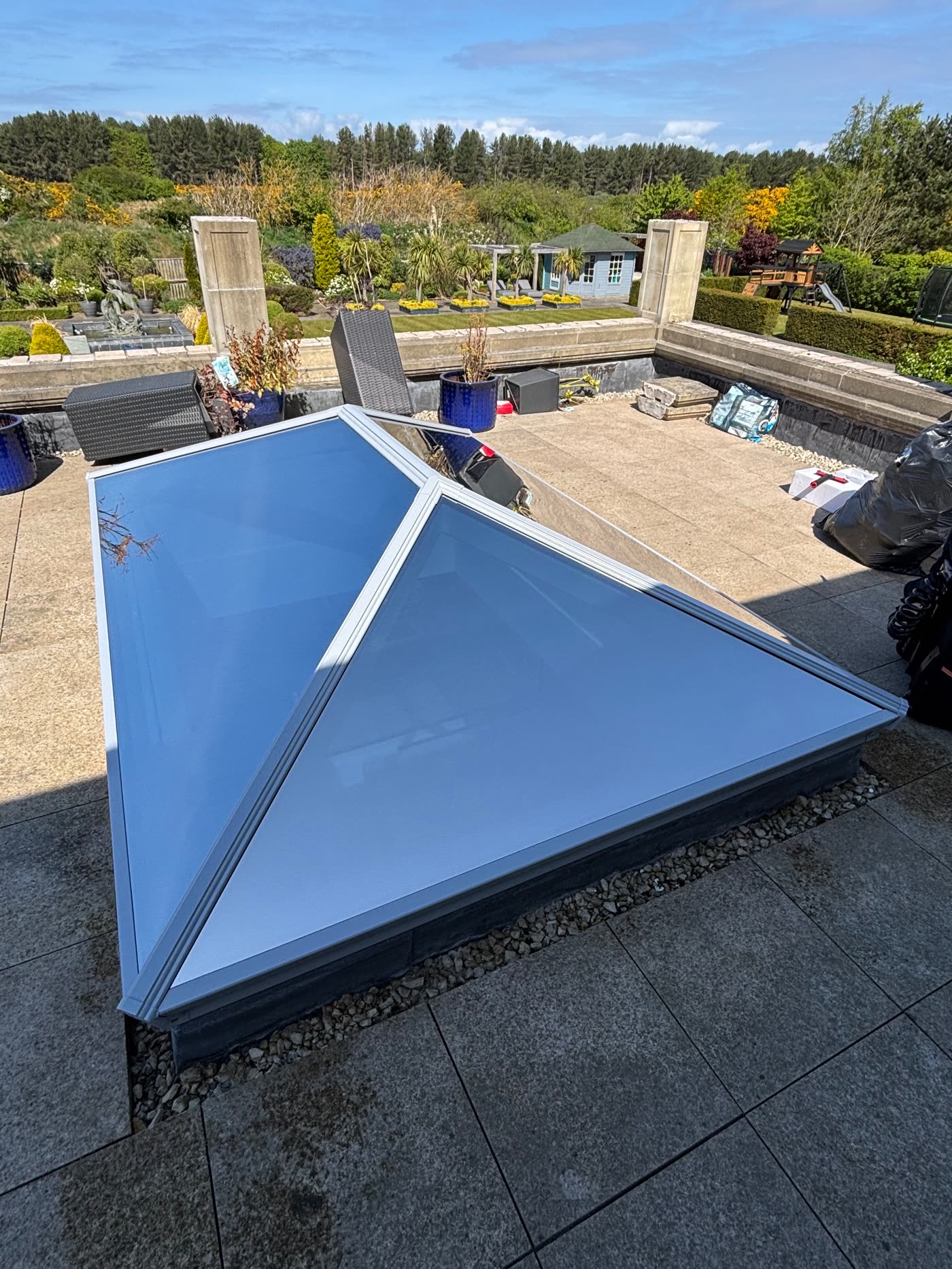
Window Film vs External blinds & awnings.
External shading — awnings, external blinds, brise soleil — is very effective at stopping heat because it blocks the sun before it reaches the glass. But it's expensive, needs mechanisms and maintenance, is weather-exposed, and often needs planning consent. Window film treats the glass itself for a fraction of the cost, permanently and invisibly. For most homes and offices, film is the more practical route.
How they compare.
External shading is excellent at blocking heat but expensive, weather-exposed and often needs consent. Window film delivers strong, permanent, always-on heat and UV control at a fraction of the cost, with nothing to maintain and no planning issues. External shading suits specific architectural projects; for everyday overheating, film is the practical winner.
Common questions.
Is external shading better than film for heat?
When fully deployed it can block slightly more heat, but only when you've put it out — film works permanently, costs far less and needs no maintenance.
Do I need planning permission for film?
No — film is applied to the inside of the glass and needs no consent, unlike external awnings on some or listed buildings.
Which lasts longer with less hassle?
Film — no motors, fabric or exposure to weather, just occasional cleaning.
Related options.
Still deciding?
Free quote.
Site survey and honest advice on whether film is right for your windows. Most quotes returned within 24 hours.