Solar Control Window Film for Heat Reduction Across Scotland.
Professional solar control window film installation for homes, conservatories, offices and commercial buildings across Scotland.
Reduce solar heat gain, control glare and block up to 99% of ultraviolet radiation with a film selected for your glazing, window orientation and preferred appearance. Selected products can reject up to 79% of total solar energy, depending on the film and glass.
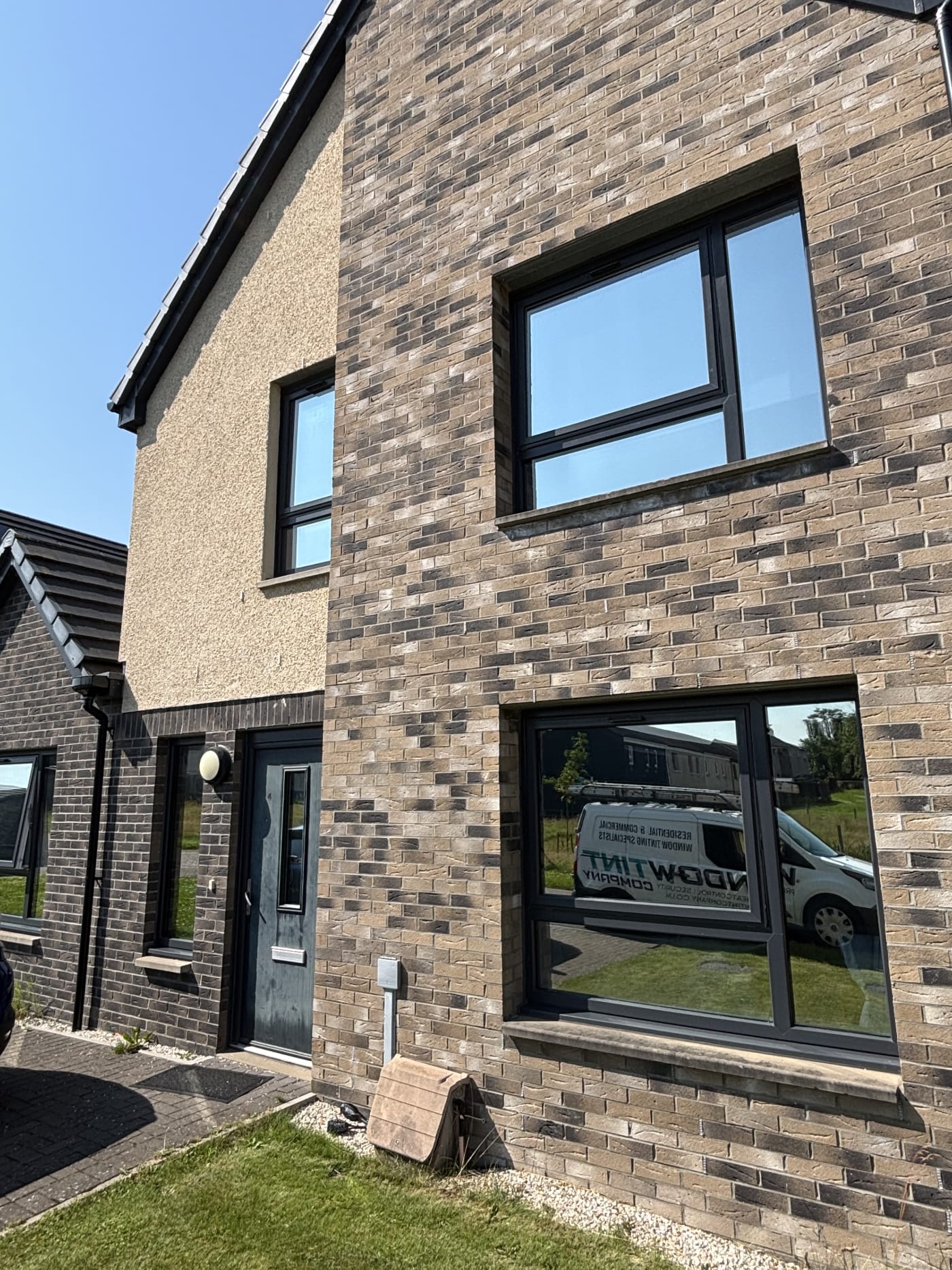
Professional solar control window film installation.
Solar control window film is applied to suitable existing glazing to reduce the amount of solar energy entering a room. It can improve comfort in spaces affected by overheating and glare without the cost and disruption of replacing the windows.
We install heat-reduction window film in houses, flats, conservatories, garden rooms, offices, retail premises, hotels, schools and other commercial buildings throughout Scotland.
The correct film depends on the glass construction, coatings, window orientation, glazed area, required heat reduction, acceptable reflectivity and the amount of natural light you want to retain. We inspect these factors before recommending a product.
Benefits of solar control
window film.
Reduce Solar Heat Gain
Solar-control film reduces the amount of solar energy transmitted through suitable glass, helping south- and west-facing rooms remain more comfortable during bright weather.
Selected products can reject up to 79% of total solar energy. The exact result depends on the film, glass and installation position.
Control Glare and Screen Reflections
Solar and anti-glare films can reduce harsh sunlight and reflections on televisions, computer monitors, presentation screens and retail displays.
Stronger glare reduction normally means lower visible-light transmission. We help customers choose a balance between glare control, daylight and external appearance.
UV Protection and Fade Reduction
Selected professional films can block up to 99% of ultraviolet radiation, helping reduce UV-related fading of flooring, furniture, fabrics, artwork, merchandise and interior finishes.
Visible light, heat, humidity and material quality also contribute to fading, so window film cannot prevent every cause of colour loss.
Potential Reduction in Cooling Demand
By reducing solar heat gain at the glazing, solar-control film may reduce the demand placed on air-conditioning or other cooling systems in suitable commercial buildings.
The result depends on the building, glazing, cooling system, occupancy, controls, weather and operating pattern.
Which solar control film
is right for your glass?
There is no single solar-control film that provides maximum heat rejection, unchanged appearance and maximum daylight at the same time. Each product has a different balance of total solar-energy rejection, visible-light transmission, glare reduction and reflectivity.
- Clear and Near-Clear Solar Film. Suitable where a subtle appearance and high daylight transmission are priorities. These films can reduce solar heat and UV while creating less visible change than darker or highly reflective products.
- Neutral Solar-Control Film. Provides a balanced combination of heat reduction, glare control and a restrained external appearance.
- Reflective Heat-Reduction Film. Suitable where stronger solar and glare control is required and a more reflective external finish is acceptable. It may provide daytime privacy under suitable lighting, but the privacy effect can reduce or reverse at night.
- Exterior-Grade Solar Film. Some glazing, roof windows and coated or laminated glass may require an exterior-grade product. We select the installation position after checking the glass and the film manufacturer's compatibility guidance.
Where heat-reduction
window film works best.
Glass compatibility and
film specification.
Solar-control film must be compatible with the existing glazing. We check whether the glass is single, double or triple glazed; toughened, laminated or annealed; clear, tinted, patterned or coated; and whether a Low-E or self-cleaning coating is present.
Pane dimensions, edge condition, frame type, partial shading and the film's solar absorption can affect product selection. The internal or external film is specified using the manufacturer's film-to-glass compatibility guidance. Before installation, we confirm the suitable product, total solar-energy rejection, visible-light transmission, reflectivity, UV rejection, installation position and warranty.
Our solar-control survey
and installation process.
Initial assessment
Send photographs, approximate dimensions and details of the overheating or glare problem.
Site survey
We inspect the glazing, coatings, orientation, access, daylight and preferred appearance.
Film recommendation
We explain the heat rejection, visible-light transmission, reflectivity, glare and UV performance of suitable products.
Written quotation
The quotation confirms the film, glass areas, installation position, access requirements and warranty.
Professional installation
We protect surrounding surfaces, prepare the glass, install the film and inspect the finished work.
Handover
We explain curing, cleaning and the manufacturer-backed warranty that applies to the selected product.
Recent heat-reduction
installations in Scotland.
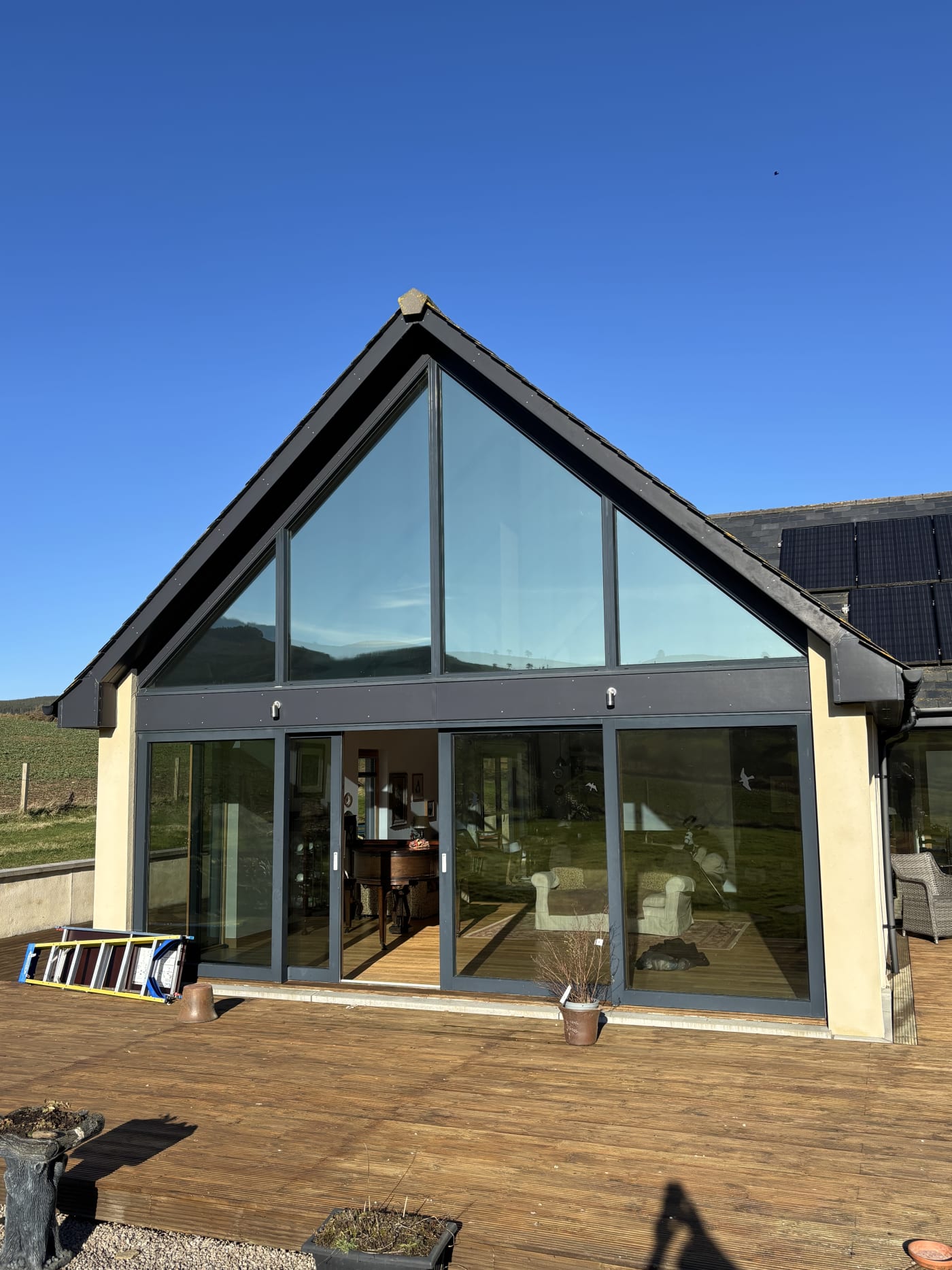
Home heat reduction
Heat-reduction film on south-facing residential glazing to cut afternoon solar gain while keeping a useful level of daylight.
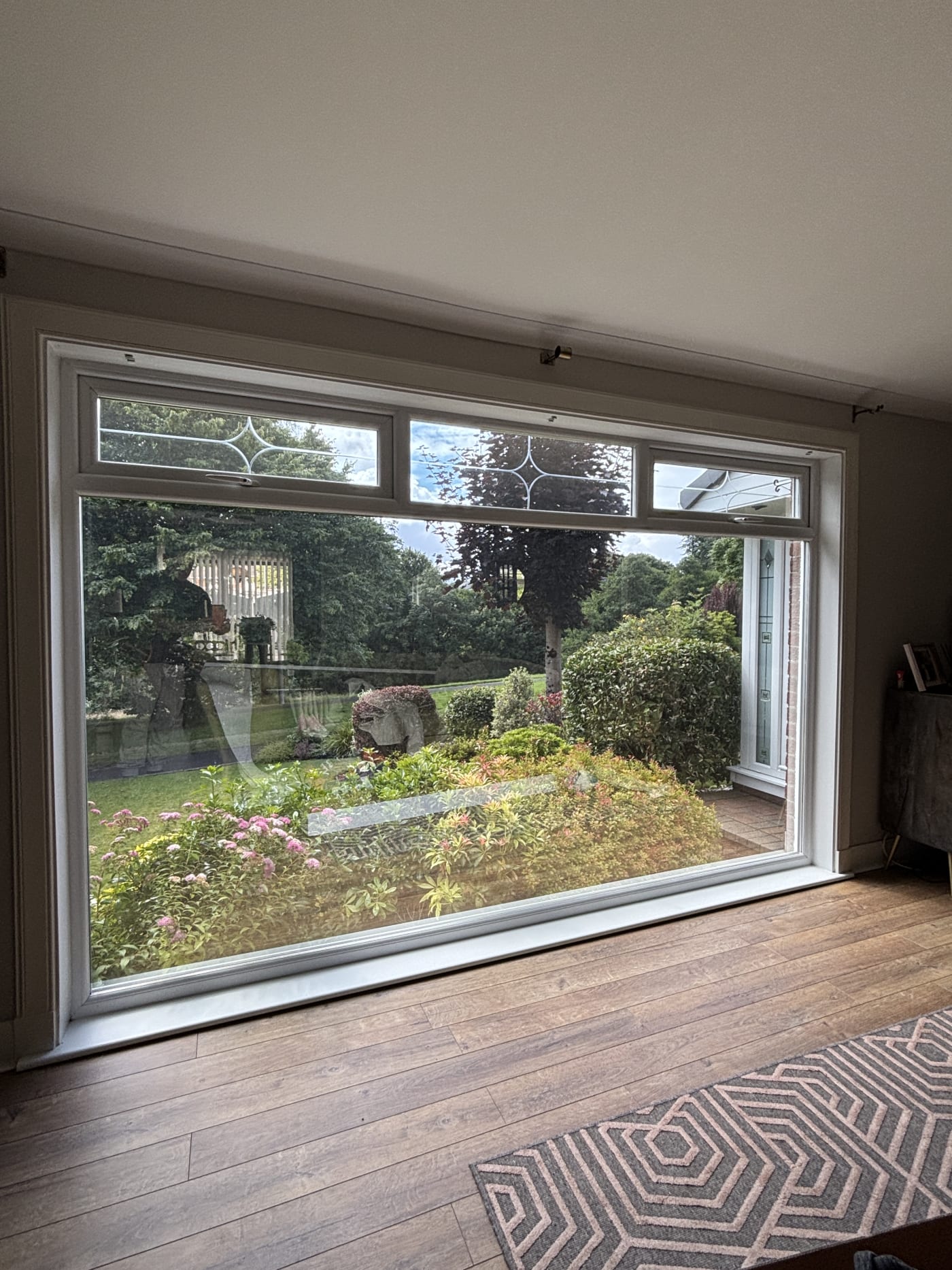
Office heat & glare
Solar-control film across office glazing to reduce heat and screen glare while retaining an appropriate working daylight level.
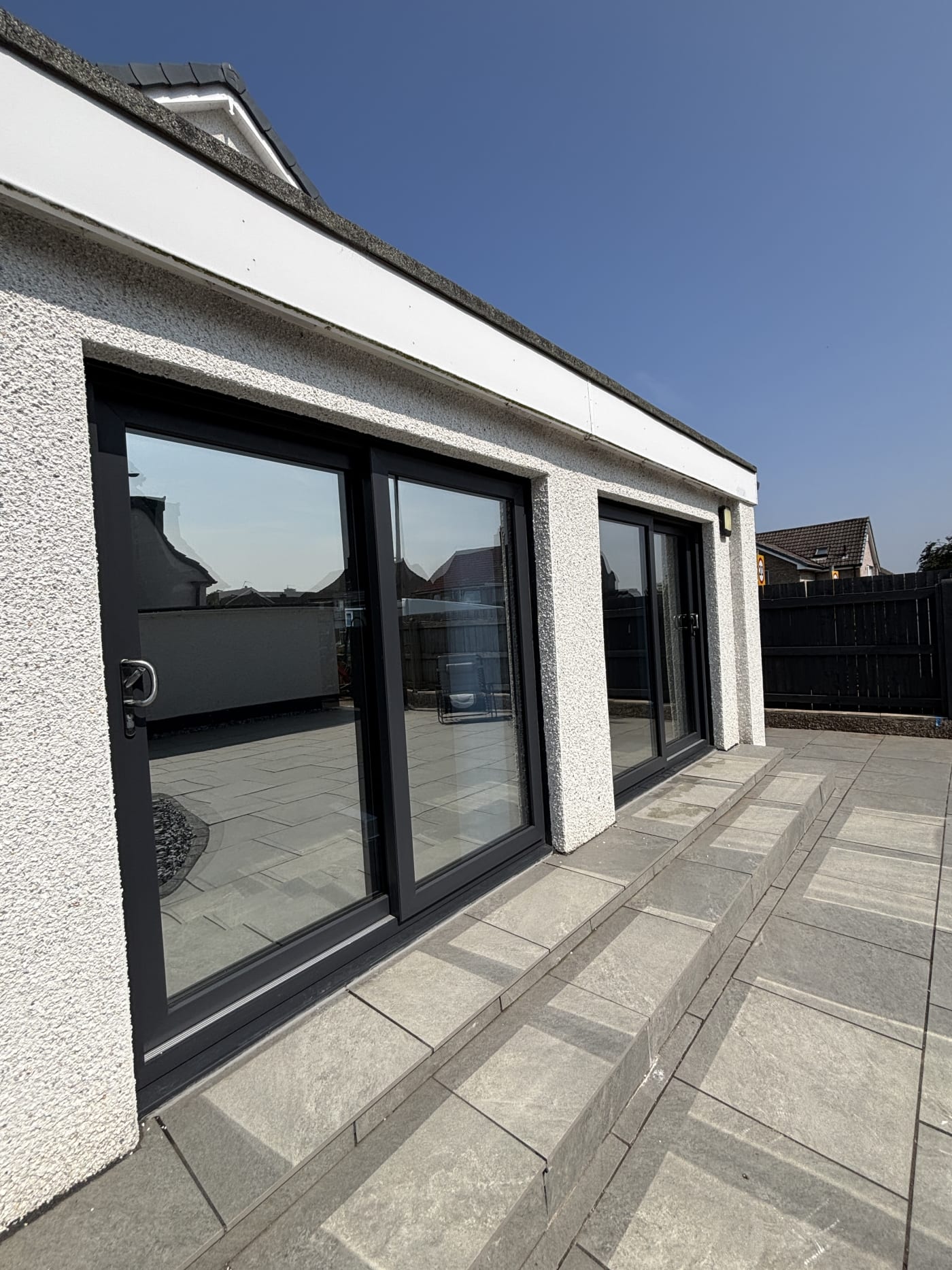
Conservatory heat control
Heat-reduction film on suitable conservatory side and roof glazing to make the room usable through bright weather.
How much does solar control
window film cost?
The cost depends on the total glass area, number and size of panes, selected film, glass construction, installation position and access. Roof glazing, high-level windows, exterior installation and unusually shaped panes can require additional time or access equipment.
Following measurements or a site survey, we provide a written quotation covering the specified film, preparation and professional installation.
Solar control window
film FAQs.
Does solar control window film really reduce heat?
Yes. It reduces the amount of solar energy transmitted through suitable glazing. The exact performance depends on the film and glass and is stated using the product's total solar-energy rejection figure.
How much heat can window film reject?
Selected products can reject up to 79% of total solar energy, depending on the film and glazing.
Will solar film make the room darker?
Every film has a visible-light transmission value. Near-clear films retain more daylight, while darker or more reflective products normally provide stronger glare or solar control.
Will the film change the outside appearance?
The change depends on the product. Near-clear and neutral films are subtle, while reflective and darker films create a more noticeable external finish.
Can solar-control film be installed on double glazing?
Many films can be installed on double glazing, but the product must be compatible with the glass construction, coatings, pane size and condition.
Can film be fitted to Low-E, laminated or self-cleaning glass?
Some films are suitable and others are not. The coating location, film absorption, pane construction and installation position are checked before specification.
Does solar film block UV and stop fading?
Selected films can block up to 99% of ultraviolet radiation and help reduce UV-related fading. They cannot prevent every cause of fading.
Can solar window film lower energy bills?
Reducing solar heat gain may lower cooling demand in some buildings. The financial result depends on the building and its mechanical systems.
How long does installation take?
Many residential projects can be completed in one day. Larger commercial elevations, roof glazing, exterior applications and difficult access may require more time.
Can the film be removed later?
Most architectural films can be professionally removed from suitable glass. Removal time depends on the product, installation age, adhesive, glass and access.
Do you install solar control film throughout Scotland?
Yes. We provide surveys and installation across Scotland. Travel arrangements may depend on the location and project size.
Related services
& areas.
Solar control window film
across Scotland.
Homes, conservatories, offices and commercial buildings across Edinburgh, Glasgow, Dunfermline, Fife, Stirling, Perth, Dundee, Aberdeen and surrounding areas. Travel arrangements depend on the location and project size.